HeLa Cells: The Greatest Discovery of the 20th Century?
Written by Olive Rothwell, winner of the KYTOS Award for Academic Writing.
Published on 19th May 2026
The 20th century witnessed the transformation of biology as we know it today. This is shown through its explosion of new theories and developments such as vaccines, cancer research and ethical laws; none of which would have happened without one critical finding. The discovery of HeLa cells—the first human immortalised cancer cell line—has been essential for a body of research and exploration that has saved countless lives and broken many new frontiers.
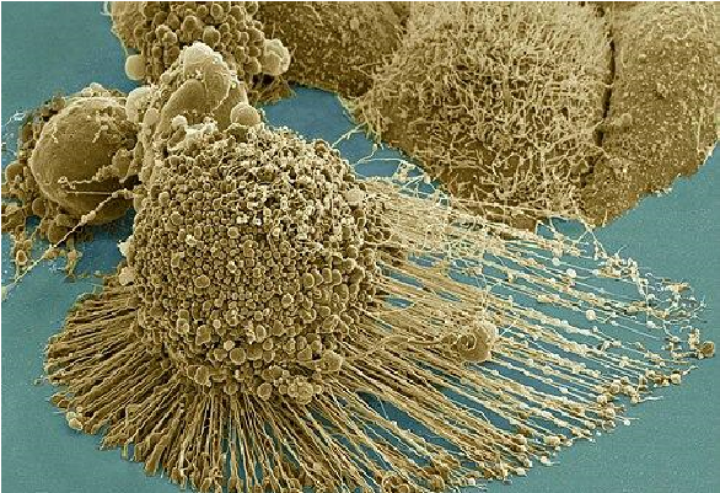
HeLa Cells.
It all started at Johns Hopkins Hospital in 1951, when Henrietta Lacks underwent medical treatment for cervical cancer under the care of Dr George Grey. During her clinical treatment, tumour cells were initially taken and cultured in vitro. Yet microscopic examination revealed their unique ability to continuously grow and divide in the laboratory (1). This indestructible nature meant they could be tested on and researched unlike any human cell of that time, as they usually died within a couple days.
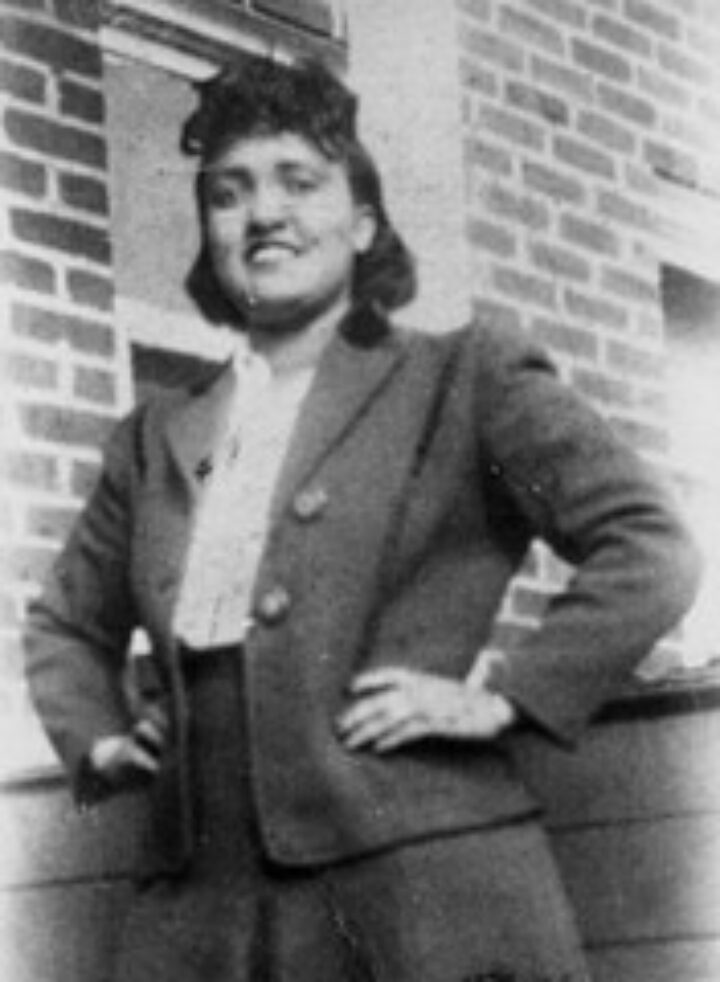
Henrietta Lacks, the patient whose cervical cancer cells were taken to produce the first immortalised human cell line.
Between 1948 and 1955, the highly infectious poliomyelitis virus reached an epidemic with symptoms ranging from a fever to permanent paralysis. In response, Dr's Russell Brown, James Henderson and Carver at Tuskegee University began research into a vaccine for polio. This developed into the first cell culture factory to cultivate and distribute poliovirus infected HeLa cells which was essential for their research.
In April 1953, Dr Scherer provided Tuskegee University with the original HeLa culture, obtained from Dr George Grey (2). The experimental results demonstrated the usefulness of strain HeLa cells for the quantification of poliomyelitis virus, the measurement of poliomyelitis antibodies, and the production of virus (3). Their key discovery was that the destructive effect of the virus was prevented by adding homotypic antibodies to the cultures, which are specific to the 3 types of polio serotypes, not by adding heterotypic antibodies (3). Collectively, their research directly accelerated the development of the poliomyelitis vaccine, leading to Jonas Salk’s inactivated vaccine being licensed in 1955.
HeLa cells have played a major role in cancer research since 1951. They were the first human cells to survive through repeated divisions in culture. At the time, scientists already knew that cancer cells bypass the Hayflick limit; however, HeLa cells allowed researchers for the first time to investigate why cancer cells divide uncontrollably without a limit.
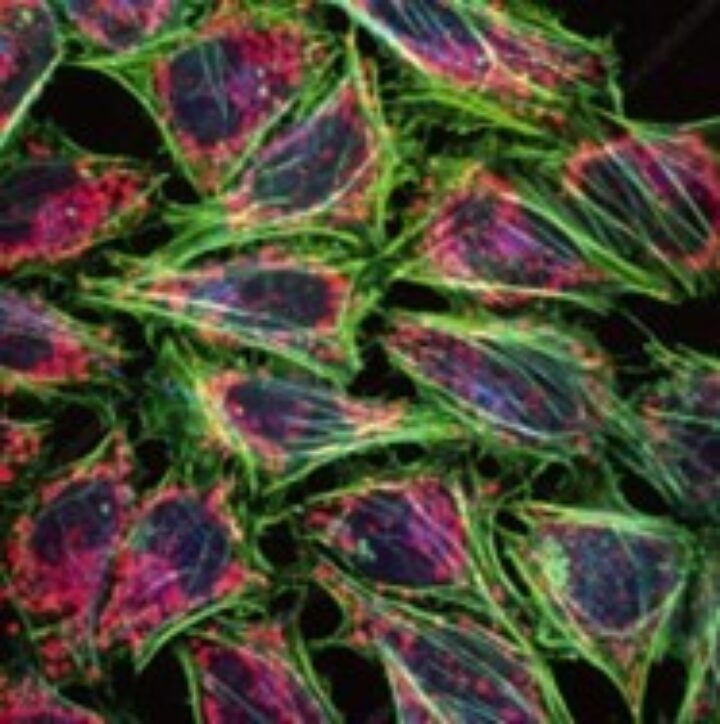
HeLa Cells under a microscope.
In the 1970s, researchers discovered that telomeres, the protective caps at the ends of chromosomes, shorten with each cell division, eventually becoming unstable and breaking in normal cells (4). The enzyme telomerase, which rebuilds telomeres, was found to be switched off in most human cells but reactivated in cancer cells. It is now known that approximately 85-90% of cancer cells express telomerase, allowing them to bypass the Hayflick limit (4).
Using HeLa cells, scientists were also able to observe and measure human cell division under the microscope and track chromosomal abnormalities unique to cancer cells. This enabled the development of methods to synchronise cells in different phases of the cell cycle, which was critical for studying how tumours grow. This resulted in improved cancer treatments, a deeper understanding of different types of cancerous tumours, and more effective use of imaging to detect them.
A defining characteristic of HeLa cells is that they contain human papillomavirus 18 (HPV-18) (5). In the 1980s, Zur Hausen and his team researched the link between HPV and cervical cancer and concluded that HPV-16 and HPV-18 were directly responsible for cervical cancer (6). This demonstrated, for the first time, that some cancers have a viral cause which therefore proved that Henrietta Lack’s cervical cancer was a result of a HPV-18 infection. This research directly led to the HPV vaccine to prevent HPV-related cancers, and in 2008 zur Hausen was awarded the Nobel Prize in Medicine for this discovery (6).
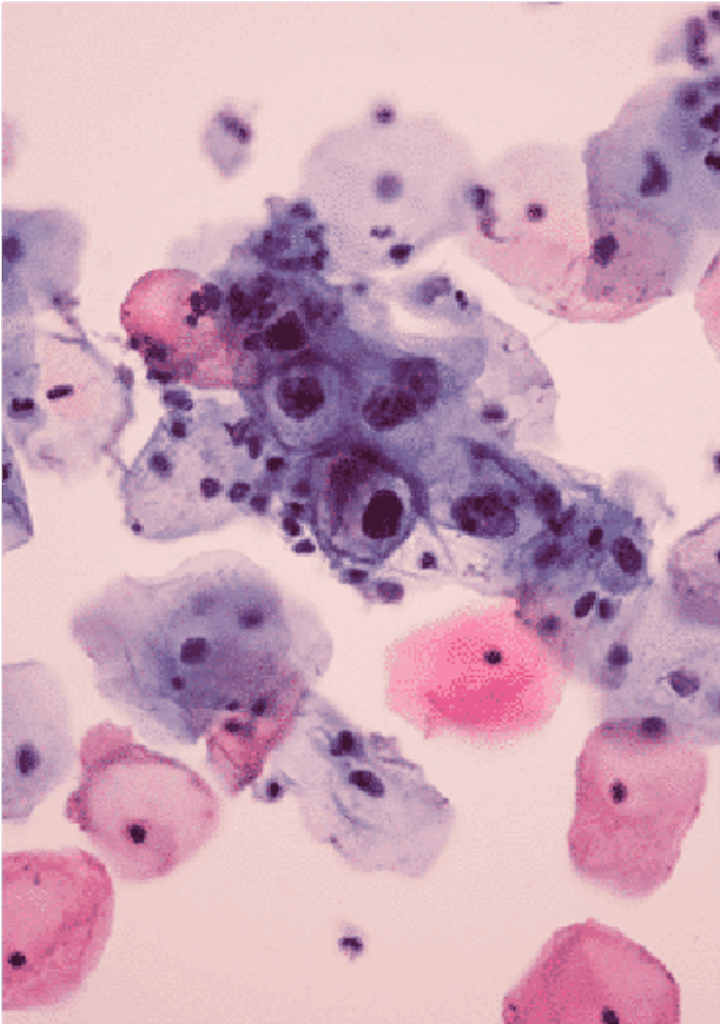
Cells infected with HPV.
HeLa cells have also been fundamental to advances in cancer genomics and chromosomal studies. A key feature of cancer is genomic instability, but this wasn’t initially understood. In 1999, analysis of HeLa cells produced a complete karyotype, where they found that HeLa cells are hypertriploid, containing 76–80 chromosomes with 22–25 abnormal chromosomes per cell (7), compared with the normal human diploid number of 46. This high degree of aneuploidy (an abnormal number of chromosomes) and extensive structural rearrangements led scientists to conclude that chromosomal abnormalities play a crucial role in the rapid growth and immortality of cervical cancer (8).
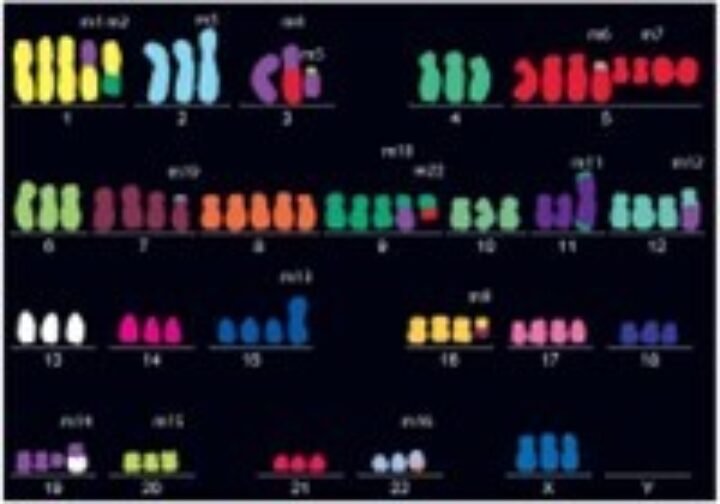
Complete HeLa Cell Karyotype.
In more recent times, in 2013, two independent research teams sequenced the HeLa genome, providing deeper insight into these complex rearrangements. They discovered that four HeLa chromosomes had been shattered into fragments and randomly reassembled into highly rearranged chromosomes (9). Their most intriguing finding was that chromosome 11 contained chromothripsis, a loss of heterozygosity, which has only been associated with around 2% of all cancer. This sequencing work was key for understanding the abnormalities that cause chromothripsis and for revealing the core feature of cancer, genomic instability.
HeLa cells continue to be widely used in research to this day. In the early 1990s, scientists discovered that the HPV E6 protein acts as an oncogene in cervical cancer playing an important role in the initiation and progression of the disease. This finding suggested that reducing E6 expression in HeLa cells could potentially inhibit the advancement of cervical cancer.
A study published in April 2020 used CRISPR technology to target the HPV-18 E6 oncogene in HeLa cells. The results showed that knocking down E6 mRNA reduced E6 protein expression, restored the tumour-suppressor protein p53, which inhibited HeLa cell growth and promoted apoptosis (9). This suggests that E6-targeted gene therapy may offer a promising future treatment for HPV-associated cervical cancer.
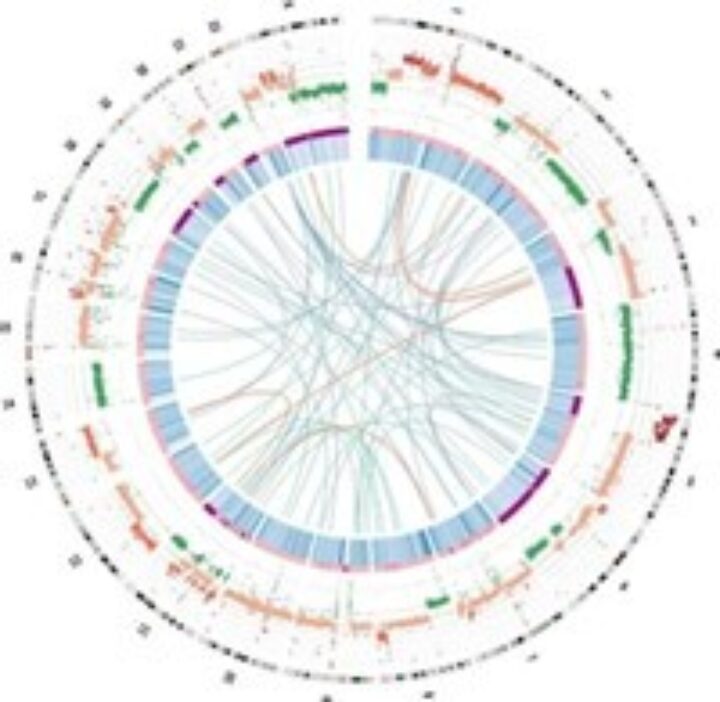
HeLa Genome
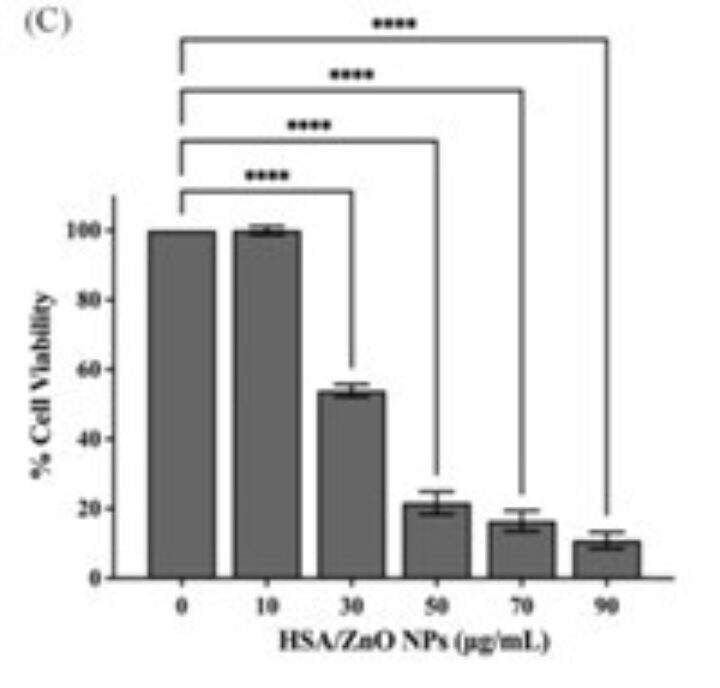
Most recently, HeLa cells have been widely used in nanomedicine and materials-interactions research to enhance the sensitivity of cancer cells to radiation. In 2024, a study investigated the use of human serum albumin (HSA)-stabilised zinc oxide nanoparticles in combination with radiotherapy on the HeLa cells. Shown in the graph to the right, the treatment significantly enhanced the cytotoxic effects of ionizing radiation, highlighting the promising potential of nanoparticle-assisted cervical cancer radiotherapy under megavoltage X-ray irradiation (10). Another study explored the use of graphene oxide nanolayers, which generates the creation of reactive oxygen species (ROS) which are highly reactive molecules derived from oxygen. Although ROS are essential signalling molecules for normal cellular processes such as cell growth, their overproduction leads to oxidative stress, causing damage to proteins and DNA which induces apoptosis in HeLa cells.
A final argument for considering the HeLa cell line one of the greatest discoveries of the 20th century is the ethical debate it started. In the 1950s, it was legal to collect and use human tissue without patient consent. As a result, neither Henrietta Lacks nor her family were informed or asked permission for the publishing of her cancerous cells to the world. This case exposed the significant moral failure of the commercialisation of patients' biological material without consent. The story of HeLa cells ignited a global discussion about patients rights and directly contributed to the development of new laws and ethical protections for everyone. This includes regulatory safeguards such as institutional review boards and good clinical practice standards which protects patients rights and welfare (11). Today, modern oncology contract research organisations (CROs) are required to uphold the highest ethical standards, ensuring clear communication and transparency (11) throughout clinical trials.
The emergence of HeLa cells stands as one of the most ground breaking scientific advances of the 20th century. Their significance goes far beyond being the first human cell line - they fundamentally reshaped the world of medical research. From enabling the rapid development of the polio vaccine to revealing the core features of cancer, HeLa cells have shaped nearly every area of human health. Few discoveries have simultaneously advanced science, medicine and ethics discussions on such an extraordinary scale. Even today, they continue to drive new discoveries across numerous fields. For these reasons, I consider HeLa cells the greatest and most influential scientific breakthrough of the 20th century.
References
- HeLa Cells: A Lasting Contribution to Biomedical Research. https://osp.od.nih.gov/hela-cells/ [20/10]
Timothy Turner. Development of the Polio Vaccine: A Historical Perspective of Tuskegee University’s Role in Mass Production and Distribution of HeLa Cells. https://pmc.ncbi.nlm.nih.gov/articles/PMC4458465/ [27/10]
W F Scherer, J T Syverton, G O Gey. Studies on the propagation in vitro of poliomyelitis viruses. IV. Viral multiplication in a stable strain of human malignant epithelial cells (strain HeLa) derived from an epidermoid carcinoma of the cervix. https://pubmed.ncbi.nlm.nih.gov/13052828/ [27/10]
- Philippe Rousseau, Chantal Autexier. Telomere biology: Rationale for diagnostics and therapeutics in cancer. https://pmc.ncbi.nlm.nih.gov/articles/PMC4829327/ [29/10]
- HeLa cell lines https://biosafety.wsu.edu/hela-cell-lines/ [29/10]
- Grace Kim. Harald zur Hausen's Experiments on Human Papillomavirus Causing Cervical Cancer (1976–1987). https://embryo.asu.edu/pages/harald-zur-hausens-experiments-human-papillomavirus-causing-cervical-canc er-1976-1987 [29/10]
- Merryn Macville, Evelin Schröck, Hesed Padilla-Nas. Comprehensive and Definitive Molecular Cytogenetic Characterization of HeLa Cells by Spectral Karyotyping https://aacrjournals.org/cancerres/article/59/1/141/505037/Comprehensive-and-Definitive-Molecular-Cyt ogenetic [1/11]
- HeLa Cells: Revolutionizing Research https://www.cytion.com/Knowledge-Hub/Cell-Line-Insights/HeLa-Cell-Line-Revolutionizing-Research/ [1/11]
- Anran Zhang, Xue Zheng, Shuaiyin Chen, Guangcai Duan, In vitro study of HPV18-positive cervical cancer HeLa cells based on CRISPR/Cas13a system https://www.lifescience.net/publications/818643/in-vitro-study-of-hpv18-positive-cervical-cancer/ [11/11]
- Chanyatip Suwannasing, Nittiya Suwannasom, Peerawit Soonthornchookiat, The potential of HSA-stabilized zinc oxide nanoparticles as radiosensitizers to enhance the cytotoxic effects and radiosensitivity of cervical cancer cells https://cancer-nano.biomedcentral.com/articles/10.1186/s12645-024-00298-8 [11/11]
- Three Key Lessons from Henrietta Lacks on Ethics, Equity, and Oncology Research https://tfscro.com/resources/three-key-lessons-from-henrietta-lacks-on-ethics-equity-and-oncology-research/ #:~:text=Without%20her%20knowledge%20or%20permission,2. [24/11]

About the Blog
Written by Olive Rothwell, winner of the KYTOS Award for Academic Writing. Run by The Sixth Form College, Farnborough and endorsed by the Linnean Society, the competition takes place each year, providing an essay title that poses an interesting biological question. The winning essay will not only show a flair for Biology, but a comprehensive understanding of the issue being discussed. You can find out more on their website.